


DE VROUW DIE WEIGERDE

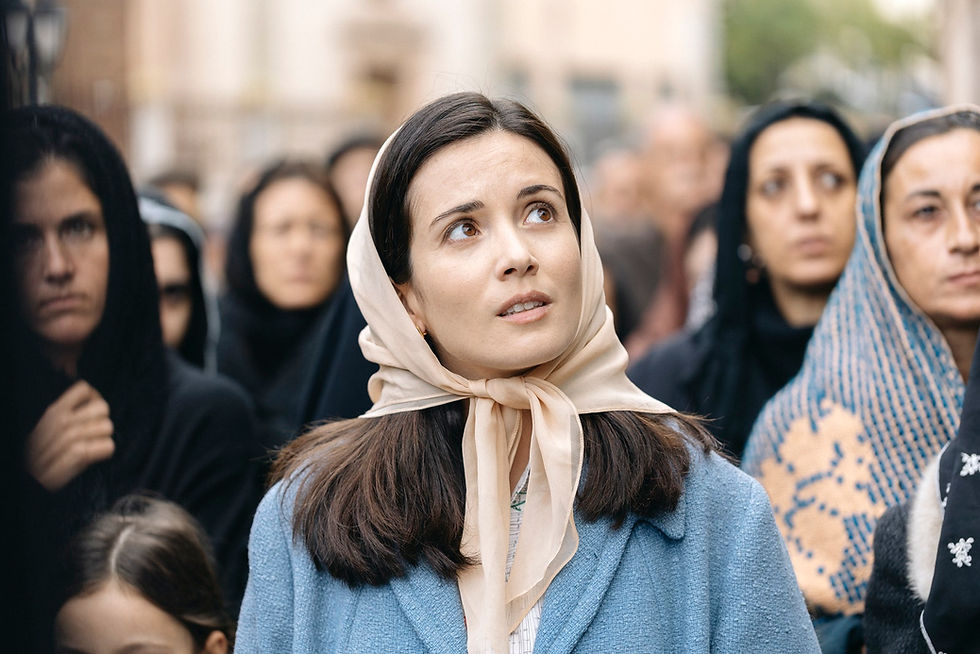
Franca Viola (1948) is een Italiaanse vrouw, die op haar zeventiende werd verkracht door haar ex en daardoor werd gedwongen om met hem te trouwen. Het was destijds voor vrouwen in Italië heel gebruikelijk om met hun verkrachter in de echt te treden om hun eigen eer te redden - en het is een praktijk die in verschillende delen van de wereld nog vaak voorkomt. De sociale conventie in Italië vereiste destijds namelijk dat vrouwen 'ongeschonden' het huwelijk ingingen. Maar het liep voor Franca allemaal even anders, want zij weigerde. Franca en haar familie werden toen al snel buitengesloten en als outcasts behandeld. Hun landerijen en schuur werden afgebrand en ze werden op een steeds gewelddadigere manier lastiggevallen.
Franca begon een rechtszaak, wat in die tijd ongehoord was. De rechtszaak maakte veel los in Italië omdat Franca de eerste vrouw was die het zogenaamde 'herstellend huwelijk' (matrimonio riparatore) weigerde. Ze won de zaak ook nog eens. De verkrachter kreeg een gevangenisstraf van 11 jaar. Na haar gelijk ontving ze bij het huwelijk dat ze wél wilde huwelijksgeschenken van zowel de president als de paus. Ook werd de wet aangepast naar aanleiding van de publieke opinie over de rechtszaak.
Al met al een belangrijk verhaal dat nu opnieuw is verfilmd door Marta Savina onder de titel La Ragazza del Futuro. Claudia Gusmano speelt de rol van Franca Viola, die in de film de naam Lia Crimi heeft grekregen. Het verhaal speelt zich af op het prachtige eiland Sicilië. Toch lijkt het landschap verstikkend, want overal moet je tegen bergen opkijken. Ook de kerk is alom vertegenwoordigd. Je wordt deelgenoot van Lia's wereld en ziet hoe ze keuzes maakt en steeds moet afwegen wat anderen er van zouden vinden. Maar het verhaal is nooit langdradig of te snel. Cinematografisch is het erg sterk en je wordt geboeid doordat je je goed in Lia kunt verplaatsen. Het verhaal wordt namelijk geheel vanuit haar perspectief verteld. Je ziet de wereld zoals zij het ziet. Wanneer ze twijfelt over haar keuzes wordt het publiek goed meegenomen.
Wat een mooie toevoeging op het historische verhaal is, is dat er twee personages zijn toegevoegd die Lia advies geven. Eén is een prostituee en de ander, haar advocaat, is de voormalig burgemeester die homoseksueel is. Daardoor staan zij net als Lia buiten de sociale conventie en dat voelt als een verademing. Alleen zij lijken haar te begrijpen en actief te steunen. Hiermee spreekt de film de emancipatiebeweging in brede zin aan. En het vormt bovendien een mooi contrast met het jargon van de rechtszaak zelf. Die zit namelijk vol met misogyne uitspraken. Lia wordt bijvoorbeeld gevraagd of ze het niet heel erg vindt dat de eer van de man is aangetast door een rechtszaak te beginnen. Of dat ze het eigenlijk stiekem wel leuk vond toen ze werd ontvoerd. Lia zette de mannen goed op hun plaats tijdens haar langverwachte getuigenis aan het einde van de film.
Vol ongeloof kijk je er naar. Zeker met de kennis dat de wet die stelde dat verkrachting slechts een zaak is van openbare zedelijkheid pas in 1996 werd aangepast. La Ragazza del Futuro is een prachtige en boeiende film die je niet snel vergeet.
'La Ragazza del Futuro' is nu te zien in de bioscoop.

Sebastiaan Coops is een historicus gespecialiseerd in koloniale en wereldgeschiedenis. Tijdens zijn studie geschiedenis en Azië-studies aan de Universiteit Leiden heeft hij zich veel beziggehouden met Nederlandse koloniale geschiedenis, met een bijzondere interesse in materiële geschiedenis. Je kunt hem daarom een echte verzamelaar noemen. Dat kun je ook bij hem thuis zien, waar hij een grote collectie oude prenten heeft over historische onderwerpen.
- ENGLISH BELOW -
Franca Viola (1948) is an Italian woman who, at the age of seventeen, was raped by her ex-boyfriend and was therefore forced to marry him. At the time, it was very common for women in Italy to marry their rapist in order to restore their honor—and it is a practice that still occurs in various parts of the world. The social convention in Italy required women to enter marriage “untouched.” But things turned out very differently for Franca, because she refused. Franca and her family were soon ostracized and treated as outcasts. Their farmland and barn were set on fire, and they were harassed in increasingly violent ways.
Franca initiated a lawsuit, which was unheard of at the time. The case caused a great stir in Italy because Franca was the first woman to refuse the so-called “rehabilitating marriage” (matrimonio riparatore). She even won the case. The rapist was sentenced to 11 years in prison. After her victory, she received wedding gifts from both the president and the pope at the marriage she actually wanted. The law was also amended in response to public opinion surrounding the case.
All in all, it is an important story that has now been adapted into a film again by Marta Savina under the title La Ragazza del Futuro. Claudia Gusmano plays the role of Franca Viola, who in the film has been given the name Lia Crimi. The story takes place on the beautiful island of Sicily. Yet the landscape feels suffocating, as mountains loom everywhere. The Church is also omnipresent. You become immersed in Lia’s world and see how she makes choices while constantly weighing what others might think. However, the story is never slow or rushed. Cinematically, it is very strong, and it keeps you engaged because you can easily empathize with Lia. The story is told entirely from her perspective—you see the world as she sees it. When she doubts her choices, the audience is carefully guided along with her.
A particularly strong addition to the historical story is the inclusion of two characters who offer Lia advice. One is a prostitute, and the other—her lawyer—is a former mayor who is homosexual. Like Lia, they exist outside social conventions, which feels refreshing. They are the only ones who seem to understand and actively support her. In this way, the film speaks to the broader emancipation movement. It also forms a striking contrast with the language used during the trial itself, which is filled with misogynistic remarks. Lia is, for example, asked whether she does not feel bad that the man’s honor has been damaged by initiating a lawsuit, or whether she might have secretly enjoyed being abducted. Lia firmly puts the men in their place during her long-awaited testimony at the end of the film.
You watch it in disbelief—especially knowing that the law which defined rape merely as a crime against public morality was not amended until 1996. La Ragazza del Futuro is a beautiful and compelling film that will stay with you for a long time.
La Ragazza del Futuro is now showing in cinemas.
Sebastiaan Coops is a historian specializing in colonial and global history. During his studies in History and Asian Studies at Leiden University, he focused extensively on Dutch colonial history, with a particular interest in material culture. You could call him a true collector. This is also evident in his home, where he has a large collection of old prints on historical subjects.


Opmerkingen